Wildlife

Guatemala’s Wildlife Black Market: A Story About Survival, Not Villains

by Hannah Fowler

Guatemala is one of the most biologically rich places in the Americas. Scarlet macaws once flew in loud, colorful flocks over the rainforest. Jaguars moved quietly through dense jungle. Monkeys, birds, reptiles, and big cats shaped ecosystems that had existed for centuries.

Today, many of those species are disappearing. Illegal wildlife trafficking has pushed animals like the scarlet macaw, spider monkey, and jaguar closer and closer to extinction. But this crisis isn’t as simple as “criminals harming animals.” To understand what’s happening in Guatemala, we have to look at the full picture — one that includes poverty, global demand, and the reality of survival for many rural communities.

In parts of northern and eastern Guatemala, job opportunities are extremely limited. Families face food insecurity, lack of education access, and little government support. For some, collecting wildlife has become one of the only ways to earn money. Scarlet macaws can sell for thousands of dollars abroad, while the person who takes the chick from the nest might earn just enough to feed their family for a short time. They are not the ones making real profit — that money flows upward through traffickers, international buyers, and private collectors far removed from the rainforest.

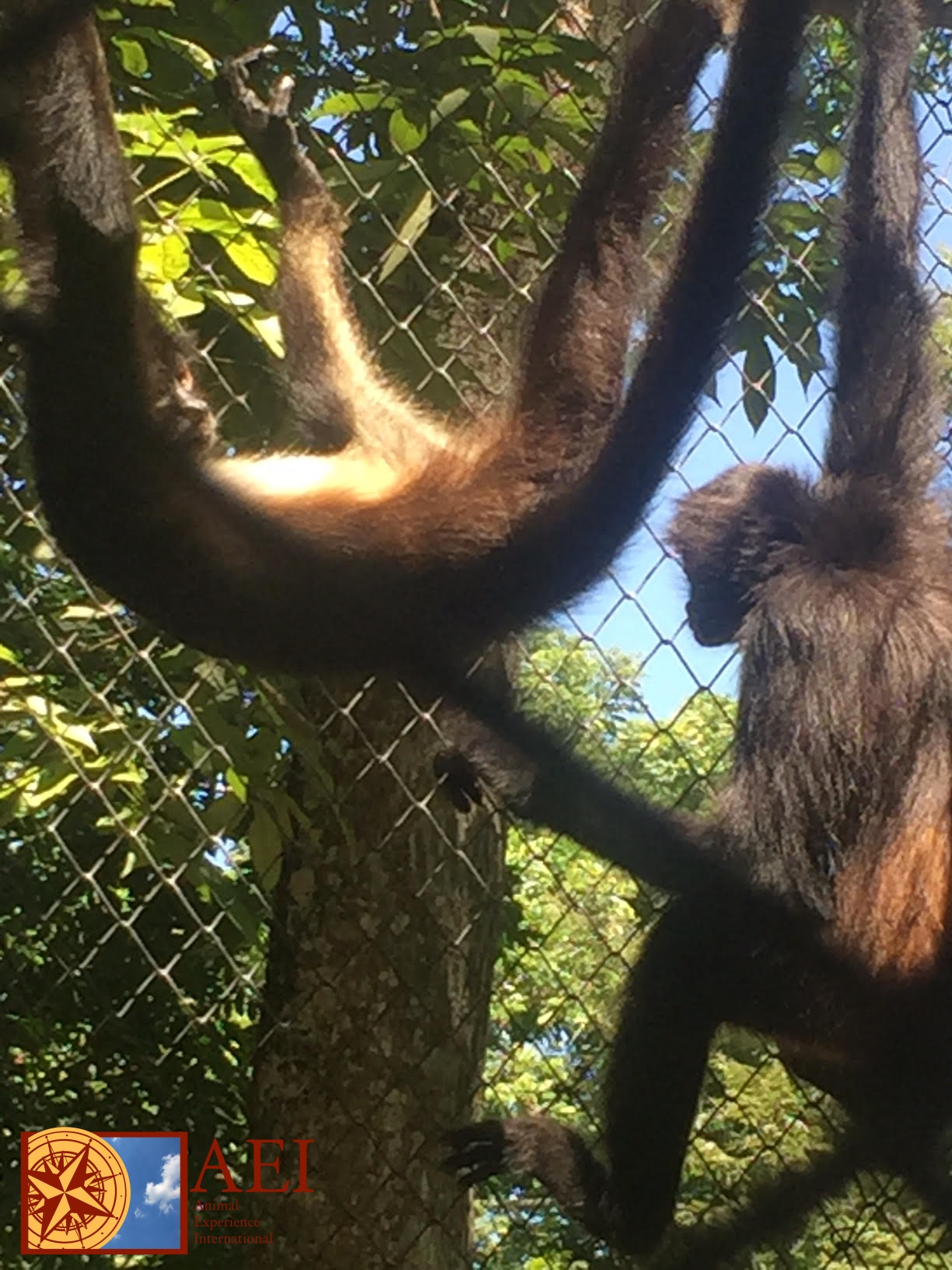
This doesn’t make wildlife trafficking harmless. The impact on animals is devastating. Macaw chicks are stolen before they can fly, slowing population recovery to a near standstill. Mother monkeys are often shot so traffickers can take their babies, many of whom don’t survive the trauma. Animals are drugged, hidden in boxes, backpacks, or false-bottom vehicles, and transported along the same routes used for drugs and illegal timber. Some species may already be gone forever — the great green macaw is believed to be extinct in the wild in Guatemala, and sightings of jaguars, tapirs, and harpy eagles are becoming increasingly rare.

Guatemala’s authorities and conservation organizations are fighting back, but the challenge is enormous. Fewer than 400 specialized wildlife officers are tasked with monitoring an entire country crisscrossed by trafficking routes. Checkpoints are limited, investigations take years, and international trafficking networks remain largely intact. Even when animals are rescued, many arrive deeply traumatized or domesticated, unable to survive on their own. This is why enforcement alone will never be enough.

Real solutions take time. They require education, alternative livelihoods, and long-term investment in both people and ecosystems. That’s where rescue and rehabilitation centers like ARCAS come in. Originally created to care for animals confiscated from the black market, ARCAS has grown into one of the largest wildlife rescue centers in the world. Each year, more than 500 animals representing over 40 species arrive in need of care — many as babies who lost their mothers to traffickers.

Through medical treatment, behavioral rehabilitation, and survival training, some animals are eventually released back into the wild. Others, who can’t return, receive lifelong care. Just as importantly, ARCAS works to raise awareness among both local communities and visitors, helping shift perspectives away from wildlife as commodities and toward wildlife as living beings that belong in the forest.

Ethical tourism plays a powerful role in that shift. When tourism is done responsibly, it creates income that doesn’t rely on capturing or selling animals. It supports conservation jobs, funds rehabilitation work, and helps reduce demand for exotic pets. It gives travelers the chance to learn the real, complicated story — not just the Instagram version.

At Animal Experience International, our Guatemala programs are built around these values. Volunteers support rescued animals through feeding, cleaning, enrichment, and habitat maintenance, while learning about the social and environmental realities behind wildlife trafficking. There are no performances, no photo ops, and no animal handling — just meaningful, hands-on conservation work that respects both animals and people.

Wildlife trafficking in Guatemala won’t disappear overnight. It is tied to global demand and deep systemic inequality. But change is possible — and it starts with conscious choices. By joining Animal Experience International’s ethical wildlife conservation tours, you’re supporting real solutions on the ground: protecting endangered species, empowering local communities, and helping build a future where survival no longer depends on exploitation.
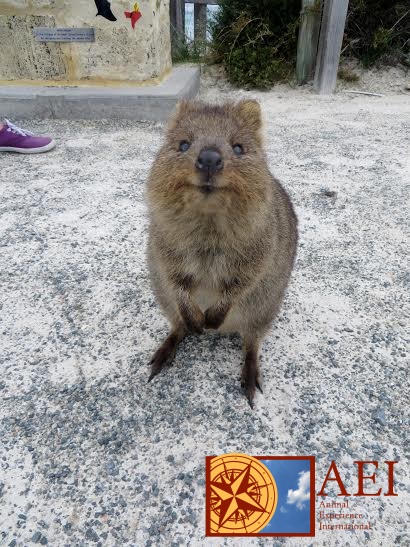
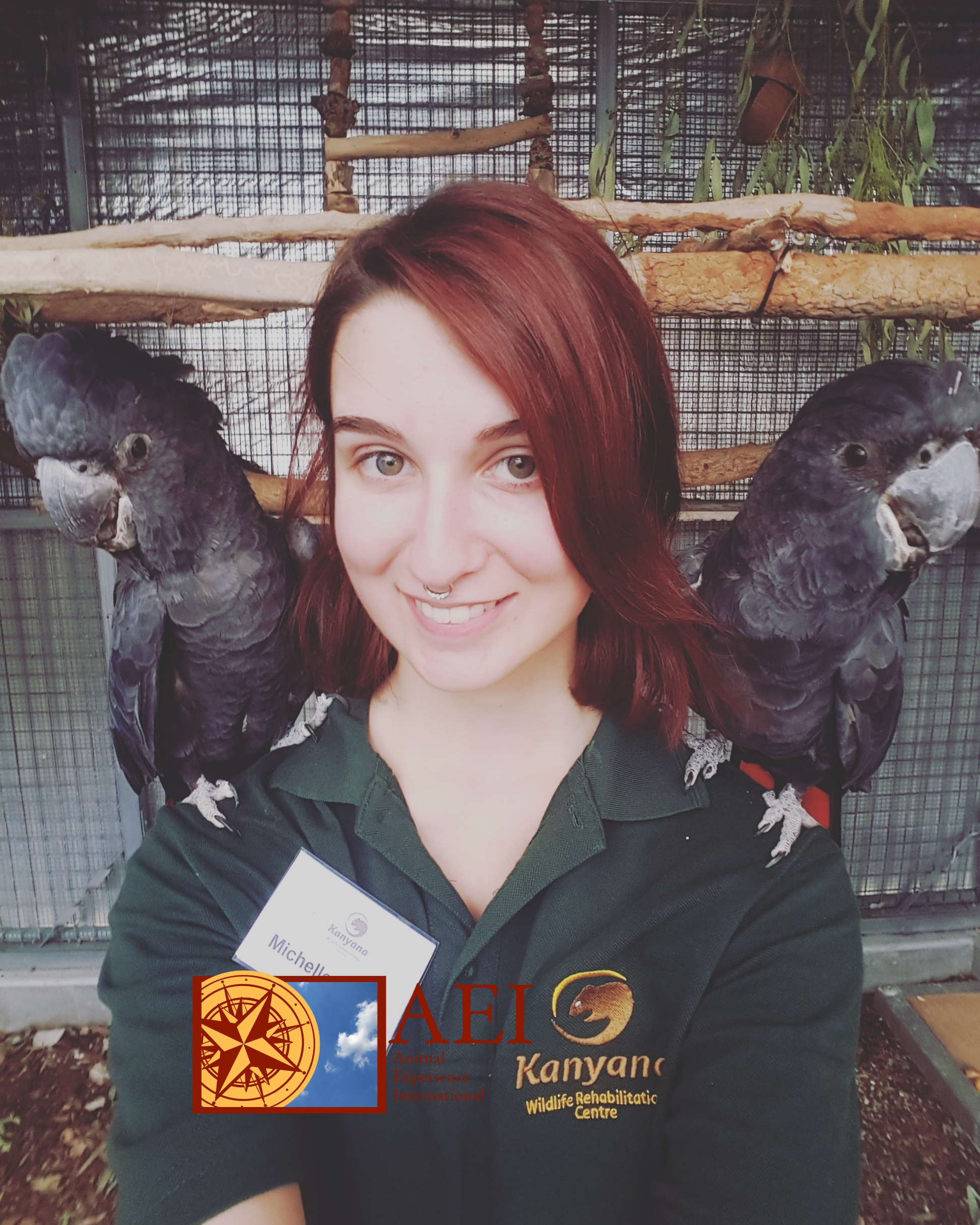
Volunteering in Australia.

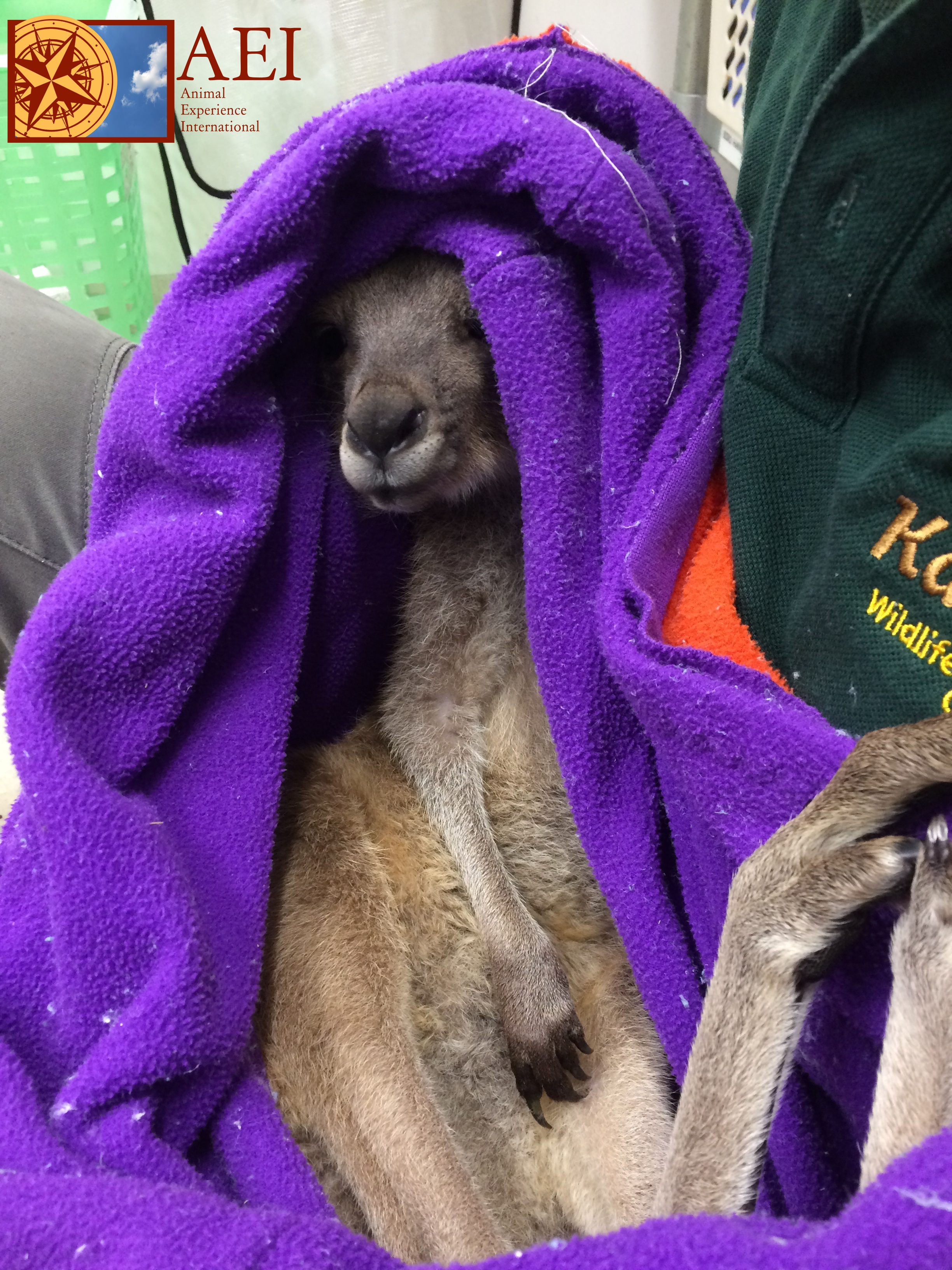
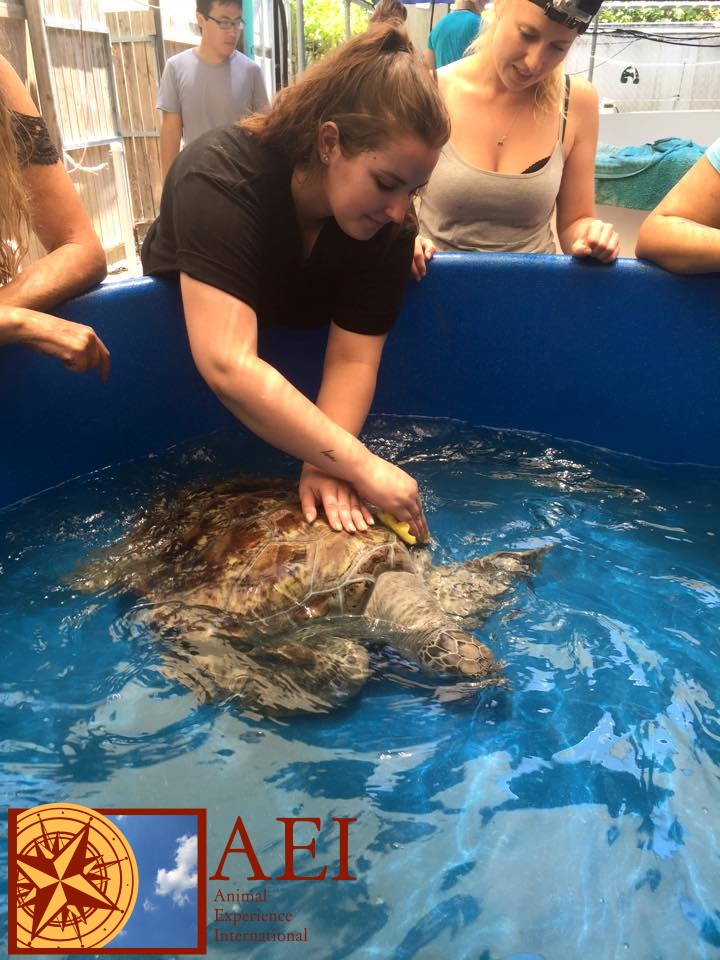
We have three volunteer partners in Australia. Sea turtles in Cairns, flying foxes on the Atherton Tablelands and wildlife rehabilitation in Perth. We are in constant contact with all our partners around the world, getting updates on volunteers, the weather, new animals in treatment and fundraising campaigns they are rolling out. Our Australia partners have kept us up to date about these issues and of course the fires that we have all seen with tears in our eyes.

Our partners have been incredibly lucky and currently are not in immediate danger. Our volunteers on the ground are safe and the animals continue to get the very best of care.

Over the past week we have gotten an unprecedented 50 new applications a day from people who want to go to Australia immediately and help. Of course we did, who doesn’t want to help these amazing heroes who are on the front line of animal rescue? It has been wonderfully overwhelming to see how many people want to help these animals, how many people see these pictures and videos and instead of getting swallowed up by sadness are inspired to action.

Our message to everyone is thank you, thank you, thank you for your heart and for your compassion. This is a dire situation and it helps all of us to know we are not alone. In order to understand our commitment to Australia now and in the future we would ask everyone read the message we are sending those interested in volunteering in Australia.

Thank you so much for your application to volunteer with us in Australia.

We have been absolutely devastated by the wild fires in Australia and are very privileged to be able to send international volunteers to our wildlife rehab centre in Perth. Currently, the centre cannot accept anymore volunteers until August. 

Many wildlife centres are at capacity with volunteers at the moment and won't accept any who haven't had extensive experience with marsupials and burn victims. Hands on the ground are important but they have been telling me that donations for things like fruit, milk and medical supplies are needed urgently and of course through the whole recovery process.

Knowing how many animals have been affected and how much land has been completely destroyed, the road to recovery will be long and the volunteers coming to Australia later in the year will be as welcome as the ones arriving currently. 

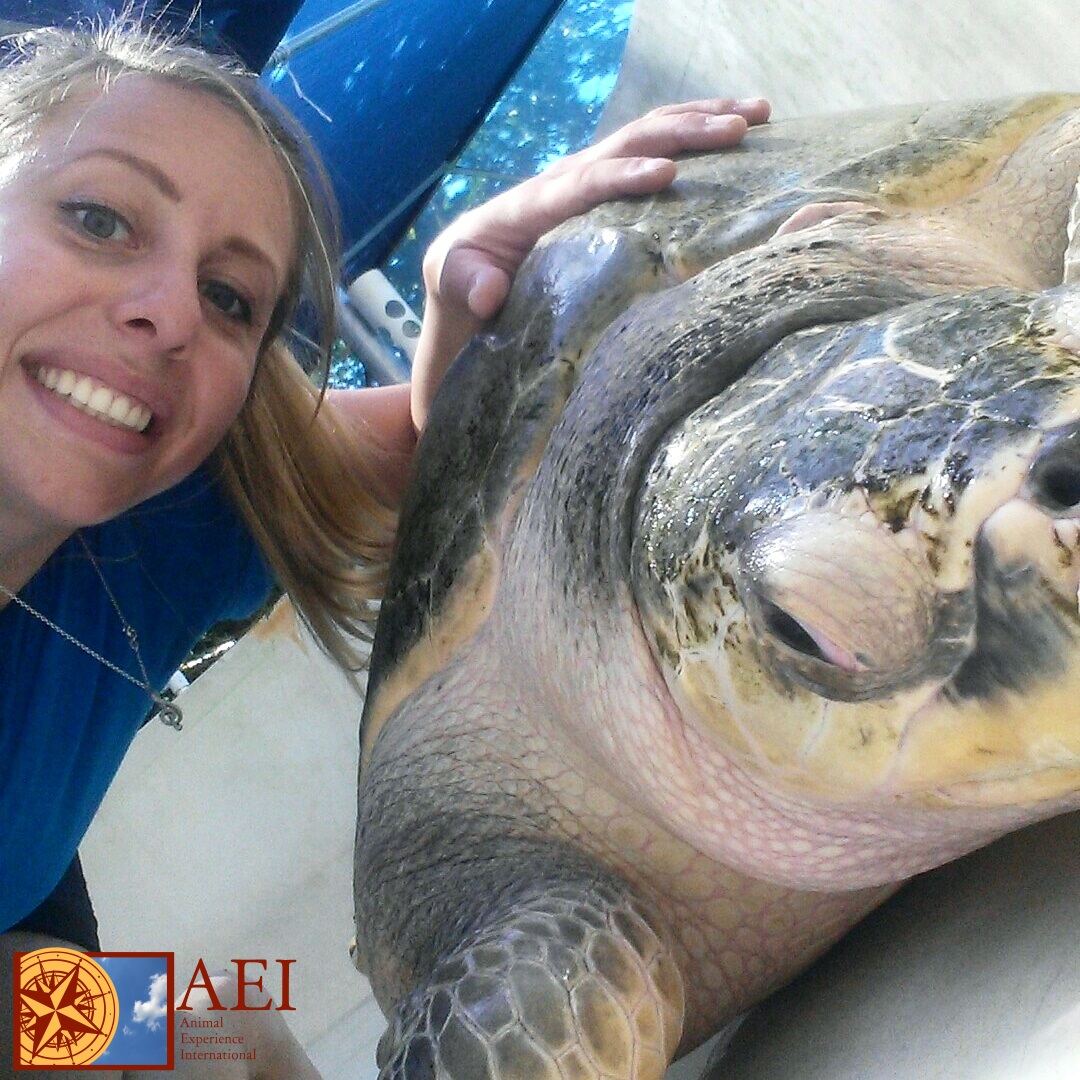
We have two more programs in Australia, one with flying foxes up in the Atherton tablelands and one in Cairns with sea turtles. If you are interested in going to Australia to help animals, they are both wonderful groups who really do need volunteers throughout the year, including now. Australia’s economy will also benefit from your visit.

Let me also say, that wildlife around the world needs our help. There is no wrong answer when you help animals at wildlife rehab centres. Perhaps they have not been acutely affected by wildfires but many of the animals at our wildlife centres around the world do need immediate and on going help after their rescue from traffickers, loss of habitat and natural disasters in their area. If you want to help wildlife but can't get to Australia, there are animals who need your help in all our wildlife centres.

Thank you so much for your interest in helping. This is a dire and terrifying situation ecologically yet I have been inspired by the amount of people who want to help from all over the world. 

A note about fees: Unfortunately, we cannot help with the costs for volunteer fees or ticket. The fees exist to offset the cost of hosting volunteers- from electricity to water, training to materials, volunteers provide an important helping role at the centre but they can also cost the community. We make sure that struggling communities don't personally pay for what the volunteers consume and all the donations that raised for the centre are used directly to help the animals. 

This is one of the reasons we visit all the placements before we partner with them. Not only do we make sure they are safe for travelers, ethically run, community lead/supported and authentically helping the animals in the area; we make sure that the fees correctly and ethically reflect the cost of hosting volunteers. Everything from the petrol used to pick volunteers up from the airport to the training that each volunteer must receive is thought of because when it comes down to it, we know no one going to help these communities and these animals wants to be a burden- financial or otherwise. 

Just as we don't barter for medical supplies and rent at home, we don't in the places that host volunteers so, as you can understand fees are very important to pay your way and the things you consume while on the program. 

Thank you so much for your heart, your compassion and your readiness to help. We will all need to come together in the next months and years to help all the animals and people affected by this devastating climate disaster. We are committed to Australia’s wildlife and we hope you are, too.

Nora

Everyday Should Be World Wildlife Day...

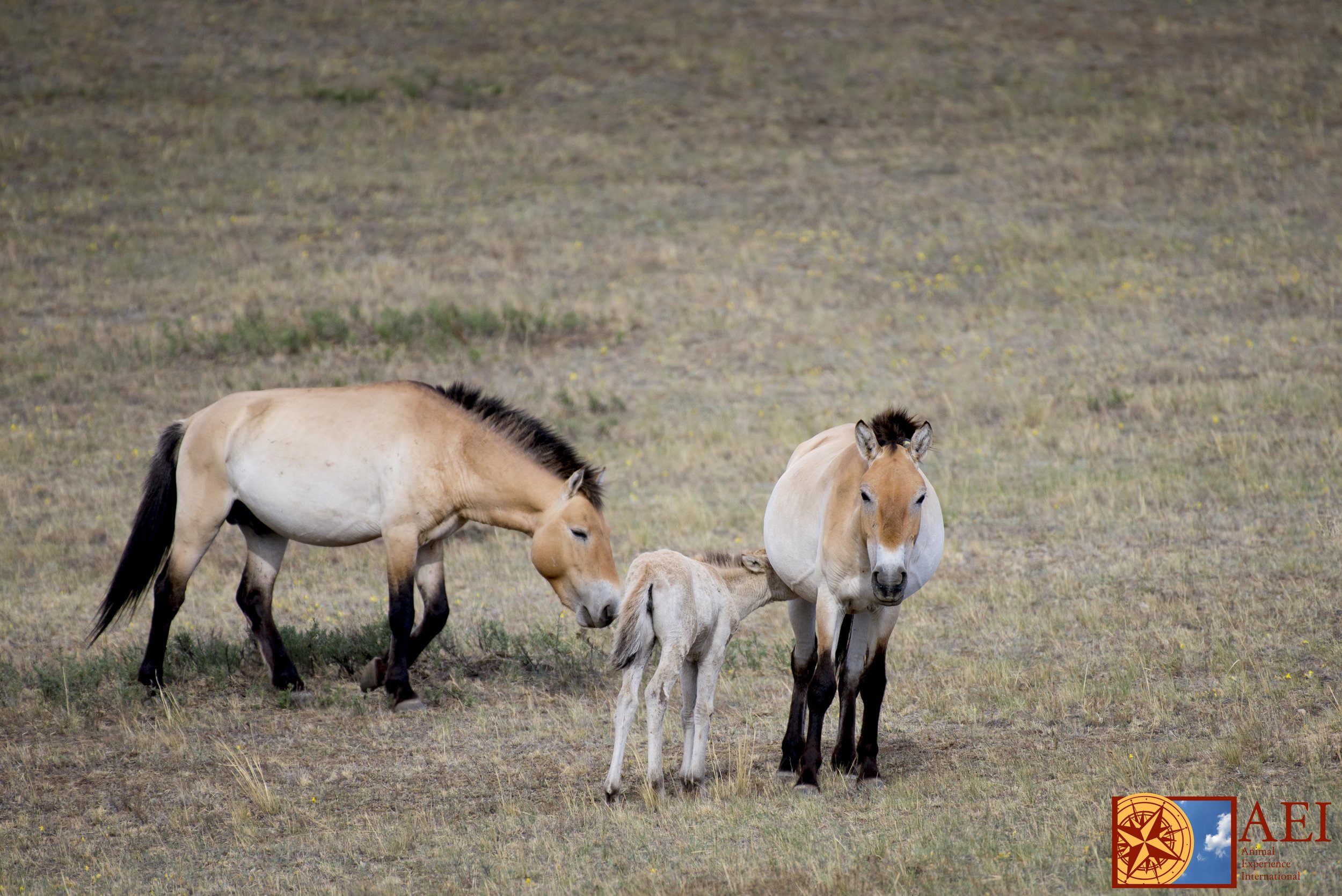
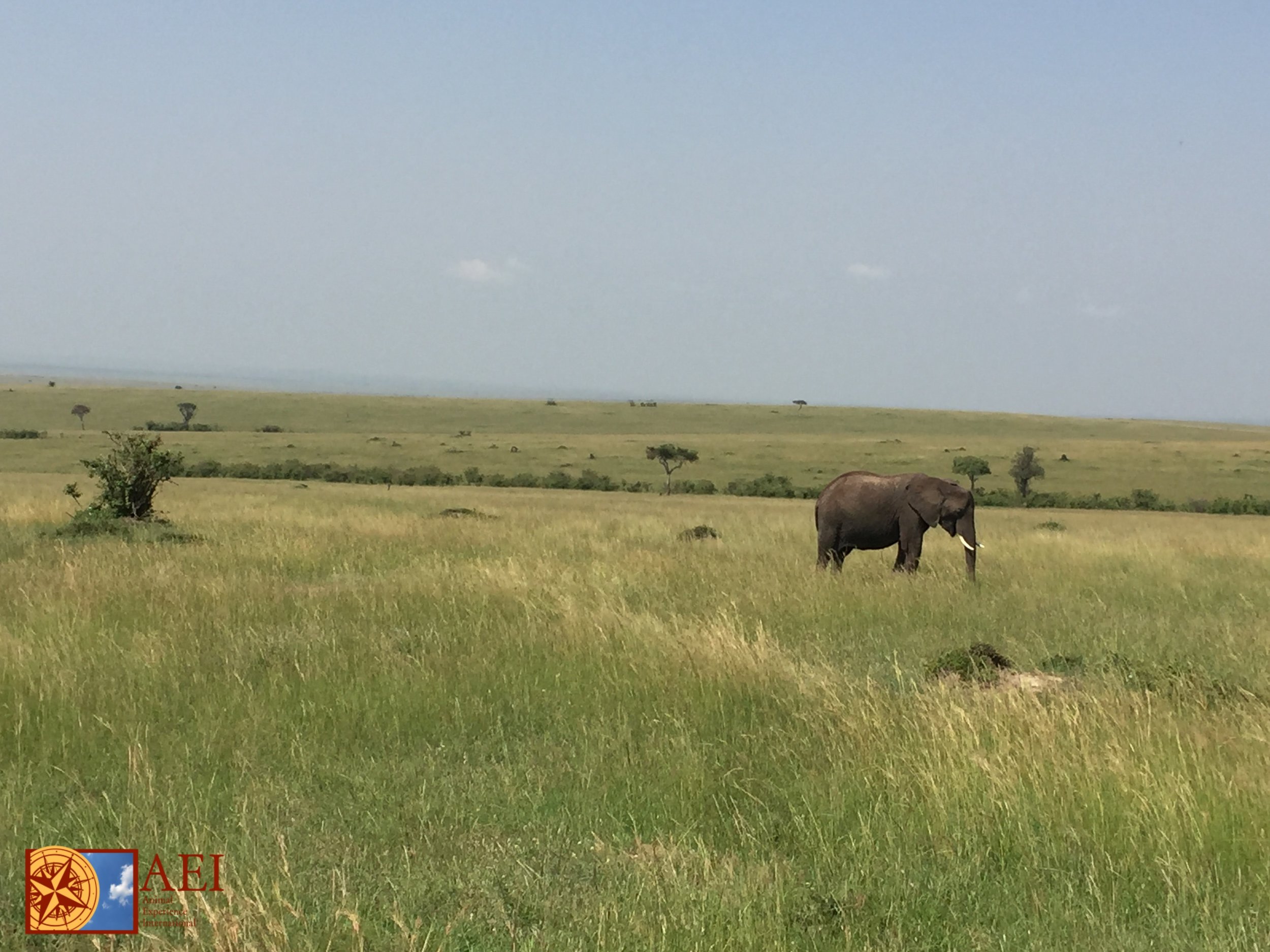
When you were younger we bet that you had a favourite animal. Do you remember what it was? Maybe it was a horse that you imagined running across endless fields? Perhaps it was a majestic elephant - or even a herd of elephants? Was it a sea turtle you once saw tucking itself into corral to find a snack? Maybe it was a beautiful rainbow macaw flying through tropical jungles or a monkey who watched you from its forest home. Remember how they felt so distant, so wild and free?

Well today they need your help to stay that way.  But the good news is, they are no longer distant dreams. Now that you are grown up, you can volunteer with these animals and help conserve their populations world wide. From dolphin conservation in Croatia to wildlife rehabilitation in Guatemala, we have programs for all you animal lovers. Whatever resonated with you when you were younger will benefit from your help now. And we think it's the perfect year for you to live your childhood dreams.

It's not World Wildlife Day (that was March 3rd) but why not make it every day? And what better way to celebrate than to apply to volunteer with your favourite childhood animals!